
Construction Quality – What can be learnt from how safety is managed?
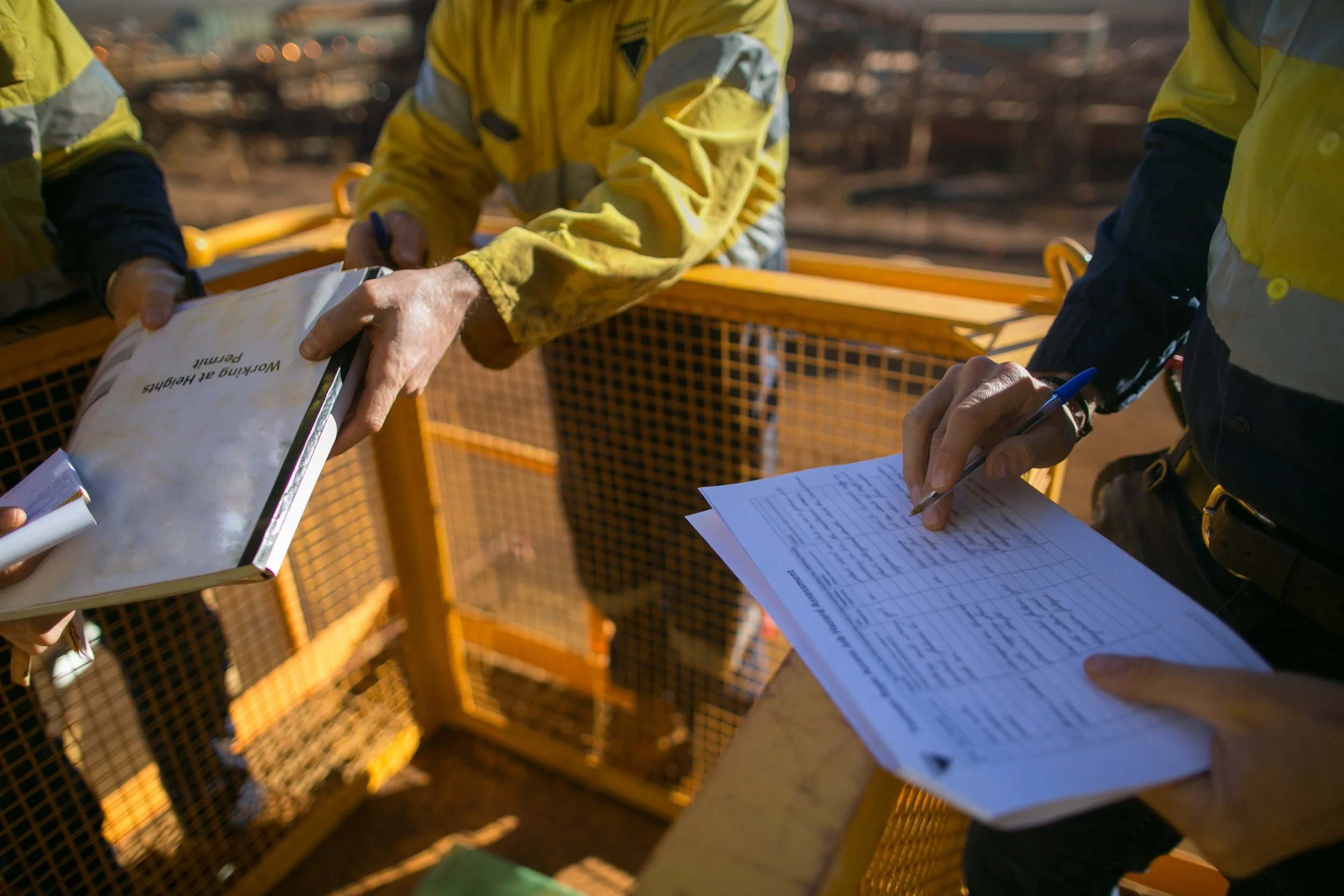
Standards for quality and safety management systems (ISO 9001:2015 and ISO 45001:2018) share a broadly similar structure and framework, and whilst these disciplines are obviously not the same thing, they are often managed alongside each other in the construction industry.
The management of construction quality is generally regarded as being less mature, less resourced and less well understood than safety.
As an HSEQ management systems auditor, I have been able to see how both disciplines are being managed within Australian construction businesses both large and small.
Here are my insights on how quality professionals can learn from the management of safety.
Culture
ISO 45001:2018 requires management to develop, lead and promote a positive safety culture, and to protect workers from the effects of reporting hazards and issues. We see this demonstrated from senior management attending site to engage with workers, strong emphasis on near miss reporting, and communication campaigns on company’s safety values.
Unfortunately, the equivalent quality management standard, ISO 9001:2015 makes little mention of promoting a quality culture or the reporting of quality issues. Businesses tend to focus their efforts the technical side of quality.
There is a need for construction businesses to drive their own distinct quality culture – their own set of beliefs, values and principles which shape behaviour within their organisation.
The real barriers which inhibit good culture must be tackled such as blame culture, hiding non-conformances and quality being seen as slowing down the job.
Accountability
Accountability is a critical factor in both safety and quality management, and probably the most difficult challenge to address.
Safety legislation covers detailed responsibilities, and regulators hold businesses, management and even workers to account to these responsibilities. Whilst safety accountability is not without its challenges, most in the construction industry are aware of the ‘safety is everyone’s responsibility’ mantra.
Globally, because of quality failures, building legislation is advancing, however, it remains a discipline with less regulatory enforcement than safety.
I have seen the greatest accountability for quality, when it has been driven and set by the client.
Better accountability for quality within organisations needs to occur through effective leadership such as setting of standards and building of trust, and the technical aspects such as clear roles and responsibilities, and meaningful KPI’s.
Reporting
Safety performance reporting (albeit mostly lagging indicators) is fully embedded in construction organisations – both large and small. However, reporting of project quality performance is less advanced.
A construction business will immediately know whether a worker grazed their finger but are less certain on whether a major defect has occurred, or critical hold point inspection missed.
Thankfully, quality performance reporting is improving with the introduction of excellent software solutions which track and measure the progress of quality inspection on projects.
Organisations such as the CQI and GIRI are advocating for an industry standard for measuring project quality. It would be a game changer if businesses had to submit to tender responses with their quality metrics, and not just their injury frequency rates!!
Education
The lack of understanding of construction quality can be linked to the lack of available education and training in this area. Unlike with health and safety, there are limited educational qualifications in quality management, even less in construction quality.
Internally within construction business, workers and management are repeatedly taught about hazard reporting, the company’s safety procedures and practices, and lessons learnt from incidents.
On the other hand, quality training tends to be a once off session for all employees on the Quality Management System. There is no training on roles and responsibilities, ITP’s, their purpose and how they relate to people’s job.
The industry needs to be better served with education and training in construction quality, so workers understand quality assurance and control methods, basic root cause analysis and effective leadership behaviours.
Leadership
Companies of all sizes, employ managers to lead safety for their business.
Quality leadership differs across construction businesses. Not all companies have dedicated Quality Managers, some have HSEQ Managers who tend to be safety people by profession, and others have project Quality Managers.
Probably the biggest indicator for progress in quality occurs when a quality leader is hired at senior level. This means this business is committed to providing the much-needed resources to improve culture, educate, and drive improvement at all levels of the business.
In essence, a construction company’s existing safety management system provides a great blueprint for how quality could be managed better. By adopting a similar approach, projects can be delivered with fewer defects, smoother handovers and more satisfied customers.